

Kona coffee is one of those rare things that lives up to the hype. Grown on a narrow strip of volcanic slopes on Hawaiʻi's Big Island, it delivers a cup that's smooth, layered, and unlike anything you'll find on a typical grocery shelf. At Misma Lani, we believe the best way to appreciate coffee is to understand where it comes from, how it's grown, and what makes each cup special. In this guide, we'll walk you through everything you need to know about 100% Kona coffee—from what makes it genuine to how it's grown, what it tastes like, and how to brew it at home.
Key Takeaways
-
100% Kona coffee comes exclusively from the Kona Coffee Belt on the Big Island of Hawaii - it is not a generic style of Hawaiian coffee, and no other beans are mixed in.
-
A "10 Kona" blend contains only 10% Kona coffee beans blended with 90% cheaper beans from other origins. Always look for "100% Kona Coffee" on the label.
-
At Misma Lani, we offer two standout ways to experience real Kona: our Coffee Tasting Pack with five unique 100% Kona coffees, and our Peaberry Coffee in light or medium roast.
-
Kona's signature smooth body, low acidity, and chocolate–nut–caramel notes come from volcanic soil, careful elevation management, and hand-crafted processing by small farms.
-
By the end of this guide, you'll know how to pick, brew, and taste 100% Kona like a pro - even if it's your first great cup of coffee.

What Is 100% Kona Coffee?
Kona coffee isn't a roast style, a flavor name, or a marketing term. It's a specific origin: Arabica coffee grown on the west side of Hawaiʻi Island (the Big Island), within a legally defined growing region called the Kona Coffee Belt.
When a bag says "100% Kona coffee," it means every bean inside was grown within that belt, processed under Kona standards, and contains zero filler from anywhere else. Hawaii enforces rigorous legal standards for Kona coffee grading and labeling—under state law (including ACT 289 ), only coffee that is 100% Kona by weight can carry that label.
Here's where most Americans get tripped up: a "10% Kona coffee" blend legally contains just 10% Kona beans mixed with 90% cheaper Arabica from elsewhere. These blends are sold at the same price tier as mid-range coffee, often with premium Hawaiian imagery that makes them look like the real stuff. They're not.
All Kona coffee is Hawaiian coffee, but not all coffee in Hawaii is Kona. Other regions—Ka'u coffee from further south on the Big Island, beans from Maui, Kauaʻi, and even Honolulu's Oʻahu—each produce their own distinct cup. But Kona is the only state-protected origin with nearly 200 years of reputation behind it.
The Kona Coffee Belt: Where 100 Kona Grows
Picture a narrow ribbon of farmland draped along the western slopes of Hualālai and Mauna Loa volcanoes. That's the Kona Coffee Belt—about 35 miles long, one to two miles wide, and covering roughly a 40 square mile area. It is located on the west side of Hawaii's Big Island.
100% Kona coffee is grown exclusively on the slopes of Hualalai and Mauna Loa volcanoes in Hawaii, at elevations between 500 to 3,200 feet. Kona coffee trees thrive between 800 and 1,700 feet elevation, where conditions are ideal. The belt's elevation range creates mild nights and gentle temperature swings that slow cherry development and concentrate sugars inside each bean.
Key terroir factors that shape Kona beans:
-
Well-drained, slightly acidic volcanic soil that allows deep root growth and mineral uptake
-
Sunny mornings followed by afternoon cloud cover and gentle rain
-
Annual rainfall in the Kona Coffee Belt that exceeds 70 inches—Kona coffee requires 70-plus inches of rainfall annually
-
Higher elevations that moderate temperature and extend ripening time
This microclimate produces dense, sweet coffee beans with a complexity you won't find in regions with more extreme weather. Other Hawaiian coffees—like Ka'u coffee grown further south or beans from the Hamakua coast—share the island framework but have different rainfall patterns, soil profiles, and flavor characteristics .
From Flower to Cup: How Kona Coffee Is Grown and Processed
Careful cultivation and small-scale farming are why 100% Kona is recognized as some of the best coffee in the world. There are roughly 630 to 800 farms in the Kona region, most of them family operations on just a few acres.
The seasonal cycle:
-
February–March: White blossoms (called "Kona snow") cover the trees
-
Spring–Summer: Green cherries slowly develop
-
August–December: Bright red ripe cherries are ready for harvest
Kona coffee is produced mainly on small farms using hand-picking harvesting methods. Workers selectively pick only ripe red cherries, often making multiple passes through the same trees over several months. Each mature tree yields roughly one to two pounds of roasted Kona coffee beans per year - which puts the high cost of genuine Kona into perspective.

Processing steps:
-
Pulping: Removing the outer fruit from the cherry
-
Fermentation: Breaking down the mucilage layer over 12–24 hours depending on elevation and temperature
-
Washing: Cleaning the parchment-covered beans
-
Drying: Spreading beans on raised hoshidana racks to reach about 10–13% moisture content
Careful drying and storage help prevent defects, off-flavors, mold, and mycotoxins. After parchment removal, beans are sorted by bean size and defect count. Kona coffee has several official grades such as Extra Fancy and Fancy for flat beans, plus separate Peaberry grades. Only qualified coffee from the Kona district can be marketed as 100% Kona Coffee.
Why 100% Kona Coffee Tastes So Good
The first sip of properly brewed Kona usually surprises people. It's smooth—not flat, but genuinely silky. Kona coffee has naturally low acidity and a silky body, with tasting notes that lean toward milk chocolate, toasted nuts, caramel, and sometimes a hint of honey or stone fruit. The aroma alone is rich and inviting, with a sweet warmth that fills the room before you even drink.
Elevation and the Kona Coffee Belt's unique climate contribute to this profile. The slow cherry ripening at higher elevations builds sugar content and density, creating a full-bodied flavor that doesn't need cream or sugar to taste delicious.
Roast level changes the experience:
|
Roast Level |
What You'll Taste |
|---|---|
|
Light |
Floral, citrus, honey, tea-like clarity |
|
Medium |
Balanced sweetness, caramel, chocolate, body |
|
Medium-Dark / Dark |
Deep chocolate, roastiness, smoky richness |
Different farms and lots within Kona have distinct nuances - much like vineyards - depending on exact microclimate and processing. This makes 100% Kona great coffee for both newcomers (smooth, approachable) and experienced specialty drinkers (layered, complex when brewed carefully).
Misma Lani's 100% Kona: Tasting Pack & Peaberry Highlights
If you want to taste multiple styles of 100% Kona coffee at home without committing to a large bag, we think a curated sampler is a smart place to start.
At Misma Lani , we're a Latina-founded coffee company, single-estate and small-batch, based in Honaunau on the Big Island. We grow, process, and roast our own coffee at origin, which means what you taste reflects our farm's terroir, not a commodity blend.
The Coffee Tasting Pack
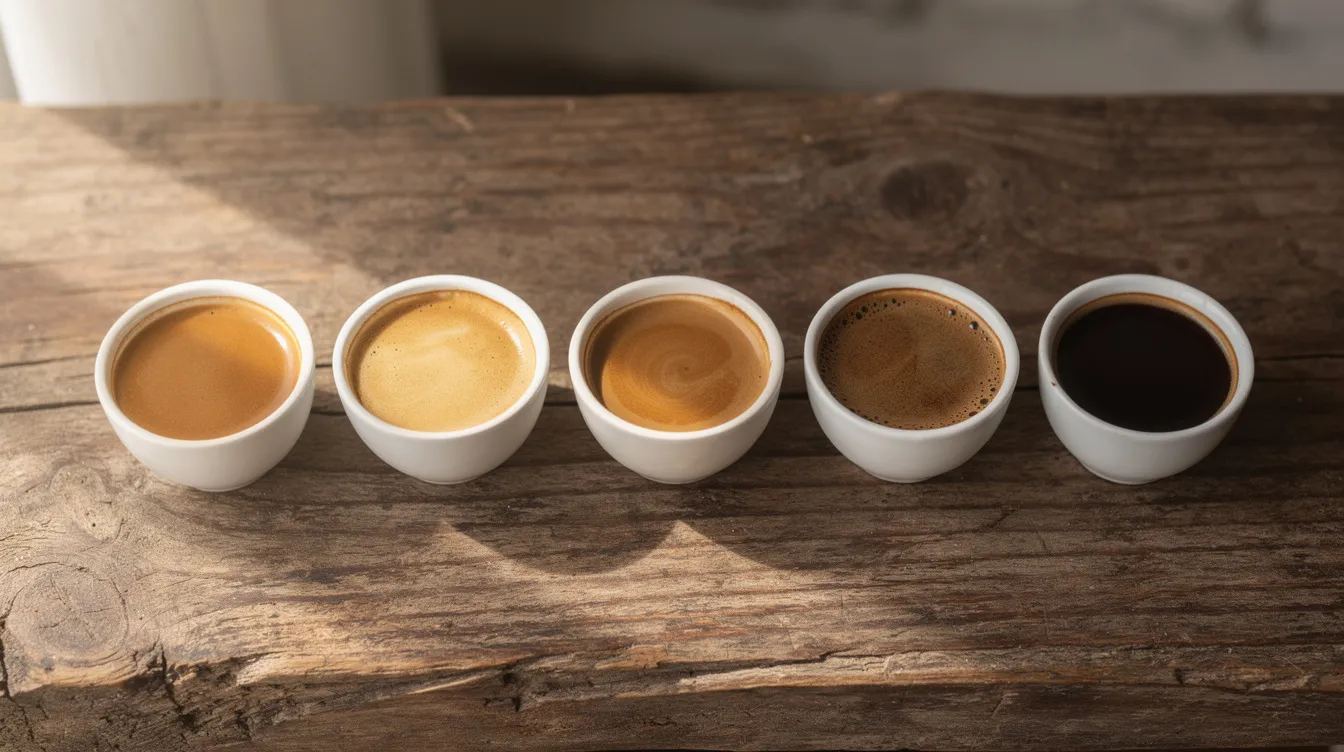
Our Coffee Tasting Pack – Explore Five Unique Kona includes five distinct 100% Kona coffees, each with a different flavor profile or roast style. It's ideal if you're new to Kona and don't yet know whether you prefer a light, floral roast or a richer medium-dark cup.
-
Five curated whole bean coffees from a single estate
-
Roasted every Monday and typically shipped by Wednesday for peak freshness
-
Flat $5 shipping under a qualifying threshold; free shipping over $100
How to use it: Brew each coffee the same way - pour-over or french press with consistent ratios - and taste them side by side. This simple comparison teaches you more about Kona in one afternoon than reading a dozen articles.
The Peaberry Coffee
Our Peaberry Coffee – Light/Medium Roast showcases one of Kona's rarest offerings. Kona peaberry is a natural mutation where one round, pea-shaped "caracolillo" bean develops inside the cherry instead of two flat beans. This occurs in only about 2–5% of the total harvest, making it genuinely scarce.
Many drinkers notice concentrated sweetness, a round body, and pronounced fruit and chocolate notes compared with standard flat beans. We offer it in light or medium roast to let the origin character shine.
Try pairing our Peaberry with one of the tasting pack's more classic profiles—you'll immediately notice how the bean shape, density, and roast interact to create a different cup.
100% Kona vs 10% Kona Blends (and Other Hawaiian Coffees)
Walk through any grocery store in California, Honolulu, or really anywhere in the USA, and you'll see both 100% Kona and 10% Kona blend bags on the same shelf - sometimes at nearly the same price.
Here's what you're actually getting:
|
|
100% Kona |
10% Kona Blend |
|---|---|---|
|
Kona content |
100% |
As little as 10% |
|
Other beans |
None |
90% from other regions |
|
Flavor |
Full Kona profile |
Diluted; generic base dominates |
|
Coffee prices |
$45–$60+/lb |
$10–$20/lb |
|
Label wording |
"100% Kona Coffee" |
"Kona Blend" or "10% Kona" |
A blend may be a tasty, cheaper cup—but it won't deliver the layered flavor of true Kona. The limited Kona portion gets overshadowed by the base coffee. Watch for vague terms like "Kona-style" or "Kona roast," which often mean no actual Kona beans are inside.
Other Hawaiian coffees—Ka'u, Maui, Kauaʻi—each have their own terroir and are worth exploring. But Kona has the most established global reputation, backed by origin protection and the coffee industry's longest Hawaiian track record. If you want the genuine 100% Kona experience, look for "100% Kona Coffee" from a named farm or estate.
How to Brew 100% Kona Coffee at Home
Even the best coffee beans taste flat if brewed poorly. A few adjustments make a real difference with Kona.
Start here:
-
Use freshly roasted, whole bean 100% Kona coffee. Freshly ground beans enhance the flavor of Kona coffee dramatically compared to pre-ground coffee.
-
Grind just before brewing with a burr grinder: medium grind for pour-over or drip, coarser for French press.
-
Use about 1 tablespoon of coffee per cup when brewing, or for more precision: 18 g coffee to 300 ml water (roughly a 1:16 ratio).
-
Kona coffee should be brewed at temperatures between 195°F and 205°F. Go slightly cooler for lighter roasts to preserve floral and fruit notes.
-
Kona coffee is best brewed with slightly acidic water—filtered water works well, but avoid distilled or heavily alkaline water.
A simple pour-over method:
-
Bloom with about 40 ml of hot water for 30–45 seconds
-
Pour remaining water steadily over 2–3 minutes
-
Total brew time: about 2.5–3 minutes

Brew Kona coffee with a french press for best flavor if you prefer a richer body. Pour-over highlights clarity and sweetness. AeroPress works great for a quick single cup of coffee. Keep notes when exploring multiple coffees in a tasting pack - simple experimentation is half the fun.
Choosing the Best Kona Coffee Beans for You
There's no single "best coffee"—the right Kona is the one that matches your taste, brew method, and budget.
What to look for on the label:
-
"100% Kona Coffee" (not "blend" or "Kona-style")
-
Farm or estate name
-
Roast level and roast date
-
Whole bean vs ground coffee
Light roast suits people who enjoy tea-like complexity. Medium is the sweet spot for everyday drinking—balanced and approachable. Medium-dark works if you want more roast character in your drink.
If you're unsure, start with a collection like our Coffee Tasting Pack to discover which roast and profile you love before committing to a larger bag. Our Peaberry Coffee makes a special private reserve-style gift for someone who already loves Kona.
We believe choosing single-estate, small-batch roasters that pay fair prices to Kona coffee farmers and roast at origin when possible is a meaningful way to support the growers and the community on the Big Island.
Kona Coffee in the Context of Hawaiian Coffee History
Kona coffee has nearly 200 years of history in Hawaii. Kona coffee is Arabica and was introduced to Hawaii in the 19th century—Kona coffee was first planted in Hawaii in 1824, and the first coffee orchard in Hawaii was established in Manoa Valley. In 1828, Reverend Samuel Ruggles planted coffee cuttings in South Kona, launching the region's cultivation. The Guatemala Typica coffee tree was introduced to Hawaii in 1892, becoming the dominant varietal still grown today.
Henry Nicholas Greenwell was the first major exporter of Kona coffee, helping establish international recognition for Big Island coffee. Periods of boom and bust pushed the Kona region from large plantations to networks of small family farms—many originally operated by Japanese immigrants who leased land after the 1899 market crash.
Today, Hawaii is the only state in the USA that grows coffee commercially. That legacy connects directly to the modern specialty coffee movement, where 100% Kona Coffee is recognized globally as a premier origin. Annual production hovers around 3.8 million pounds of green bean—a fraction of the world's supply, which is why authentic 100% Kona coffee is rare and expensive due to high demand and limited land supply.
Visiting Kona and Experiencing Coffee in Hawaiʻi
Imagine standing on the slopes of Mauna Loa, picking a ripe red cherry off a tree, and tasting Kona coffee where it's grown. That's exactly what a Big Island farm tour offers.
When you visit a Kona coffee farm, you'll often walk through rows of coffee trees, see the picking and wet-milling process, and finish with a guided tasting. Notable operations like Greenwell Farms and smaller estates throughout the island welcome visitors. These tours help you understand the work behind every cup of 100% Kona and why it commands a higher price than commodity coffee.
Tasting Kona alongside other Hawaiian coffees—Ka'u, Maui-grown, or Kauaʻi beans—is a tasty way to learn how terroir shapes flavor across the island chain.
Can't make it to Hawaii soon? You can recreate the experience at home with our curated selections like the Coffee Tasting Pack and Peaberry Coffee, brewed thoughtfully and tasted side by side. Every sip brings the island a little closer.
Frequently Asked Questions About 100% Kona Coffee
Is 100% Kona Coffee worth the higher price?
Kona coffee is more expensive because of limited land in the Kona Coffee Belt, labor-intensive hand-picking, small family farms, and strict quality standards. When brewed well, many drinkers find 100% Kona offers a smoother, more complex cup of coffee than typical supermarket blends—making it a worthwhile treat or daily ritual. If you're unsure, start with a smaller format like our Coffee Tasting Pack to judge the value for yourself before buying a larger bag.
How can I tell if I'm really getting 100% Kona Coffee?
Look for the wording "100% Kona Coffee" on the front label, along with a farm or estate name and Big Island origin. Terms like "Kona blend," "10% Kona," "Kona-style," or simply "Kona" without a percentage usually indicate a mix with only a small amount of true Kona beans. We believe transparency matters, so look for roasters like Misma Lani that share details on origin, processing, and roast date.
What's special about Kona Peaberry coffee?
A peaberry is a natural mutation where one round, pea-shaped bean develops inside the cherry instead of two flat beans, typically making up only 2–5% of a harvest. Many coffee lovers perceive peaberry lots as having more concentrated sweetness and a rounder mouthfeel. Our Peaberry Coffee is a delicious example—try it side by side with a non-peaberry Kona to appreciate the difference.
How should I store my Kona coffee beans?
Keep beans in an opaque, airtight container at room temperature, away from light, heat, and moisture. Avoid refrigerating or freezing daily-use coffee—condensation damages beans when you open and close the container. Buy amounts you can use within two to four weeks of roast for the freshest experience.
What's the best brew method for 100% Kona Coffee?
There's no single "best" method. Pour-over and automatic drip highlight Kona's clarity and sweetness. French press emphasizes body and richness. Choose a method that fits your routine, then adjust grind size and brew ratio to taste. Our brew guide for our light roasts is a helpful starting point—and experimentation is part of the fun of exploring 100% Kona.


