

Where Kona Coffee Begins
On the western slopes of Hawaiʻi Island, the Kona Coffee Belt is important because its narrow growing region combines volcanic soil, warm sunshine, afternoon clouds, gentle rain, varied elevations, and long farming traditions to create the conditions associated with authentic Kona coffee. Coffee lovers, shoppers trying to understand what makes Kona coffee genuine, and anyone curious about how place shapes cultivation can use this guide to see why the coffee is so closely tied to its origin.
The Kona Coffee Belt is a narrow coffee-growing region where Coffea arabica plants used for Kona coffee grow across volcanic terrain and elevation bands tended by small farming communities. This article looks at the geography, climate, soil, elevation, and people behind the region so you can better understand how those factors shape Kona coffee's identity, quality, and sense of place.
What Is the Kona Coffee Belt?
The Kona Coffee Belt is a narrow strip about 30 miles long and 2–3 miles wide along the western slopes of Hawaiʻi's Big Island, where coffee grows across varied elevations and volcanic terrain. It stretches across the slopes of the Kona district on the Big Island, where the landscape rises from the coast toward the volcanic mountains.
This geography is important because the region is legally defined by the Hawaii Department of Agriculture and protected by Hawaii law. Coffee grown elsewhere in Hawaii may still be Hawaiian coffee, but the Kona name applies only to this specific growing region and the conditions found there.
Only coffee grown in this area can legally be called Kona Coffee, and coffee grown outside it cannot be sold as 100 Kona coffee. Fewer than 1% of the world’s coffee can legally be called Kona coffee.
The Coffee Belt is not a single plantation or continuous field. It is a collection of farms spread across the slopes, with coffee trees growing among homes, other crops, and native vegetation. That patchwork of small farms is part of what gives the Kona coffee landscape its distinctive character.
The Volcanic Slopes That Shape Kona Coffee
The Kona Coffee Belt follows the western volcanic slopes of Hualālai and Mauna Loa on Hawaiʻi Island, creating a landscape closely connected to coffee cultivation. Farms sit along terrain that rises from the Kona coast toward the mountains, giving different areas their own elevations and growing conditions.
These slopes are more than a backdrop for Kona's coffee farms. Their terrain helps water drain through the soil, while differences in elevation influence temperature and the way coffee plants experience the growing season. Coffee trees are cultivated within this landscape rather than separated from it.
For Kona farmers, working on these slopes means adapting to the conditions of a particular piece of land. The position of a farm, its elevation, and the surrounding environment can all influence how coffee plants grow and how their cherries develop.
Rich Volcanic Soil and Coffee Cultivation
The volcanic soil beneath Kona's coffee farms is another important part of the growing environment. Formed from the volcanic landscape of Hawaiʻi Island, the soil is young, porous, and mineral-rich, giving coffee plants a well-drained foundation for their roots.
For coffee farmers, healthy soil is essential to cultivation. Coffee trees need consistent care throughout the growing season, and the condition of the land can influence how well the plants develop. In Kona, the volcanic terrain and soil are part of the natural environment in which coffee has been cultivated for generations.
The relationship between soil and coffee is not about one single ingredient creating a particular flavor. Instead, the soil works in mix with elevation, rainfall, sunlight, and temperature to create the conditions in which coffee plants grow, a growing environment that differs from other regions. These factors help shape the cherries that farmers eventually harvest and process.
That combination is one reason the Kona Coffee Belt is important. Its natural environment gives farmers a particular place to cultivate coffee, connecting the character of the crop to the land where it begins.
Kona's Climate: Sunny Mornings and Afternoon Clouds
Kona's climate, including its distinctive microclimate, is one of several environmental factors that shape the region's growing environment. Coffee plants benefit from sunny mornings, with the sun giving way to clouds over the slopes in the afternoon. Gentle rain and mild temperatures help create conditions in which coffee trees can grow through the year, and Kona Coffee typically requires over 70 inches of rainfall annually.
Elevation also plays a role. As farms rise along the volcanic slopes, temperatures and weather conditions can change. These differences create small variations from one farm to another, making each growing location slightly different.
For coffee plants, these conditions influence how the trees grow and how coffee cherries develop. Stable temperature and moisture conditions help coffee cherries ripen slow on the tree, so farmers work with the climate rather than simply controlling it, paying attention to weather patterns and the needs of their trees throughout the growing season.
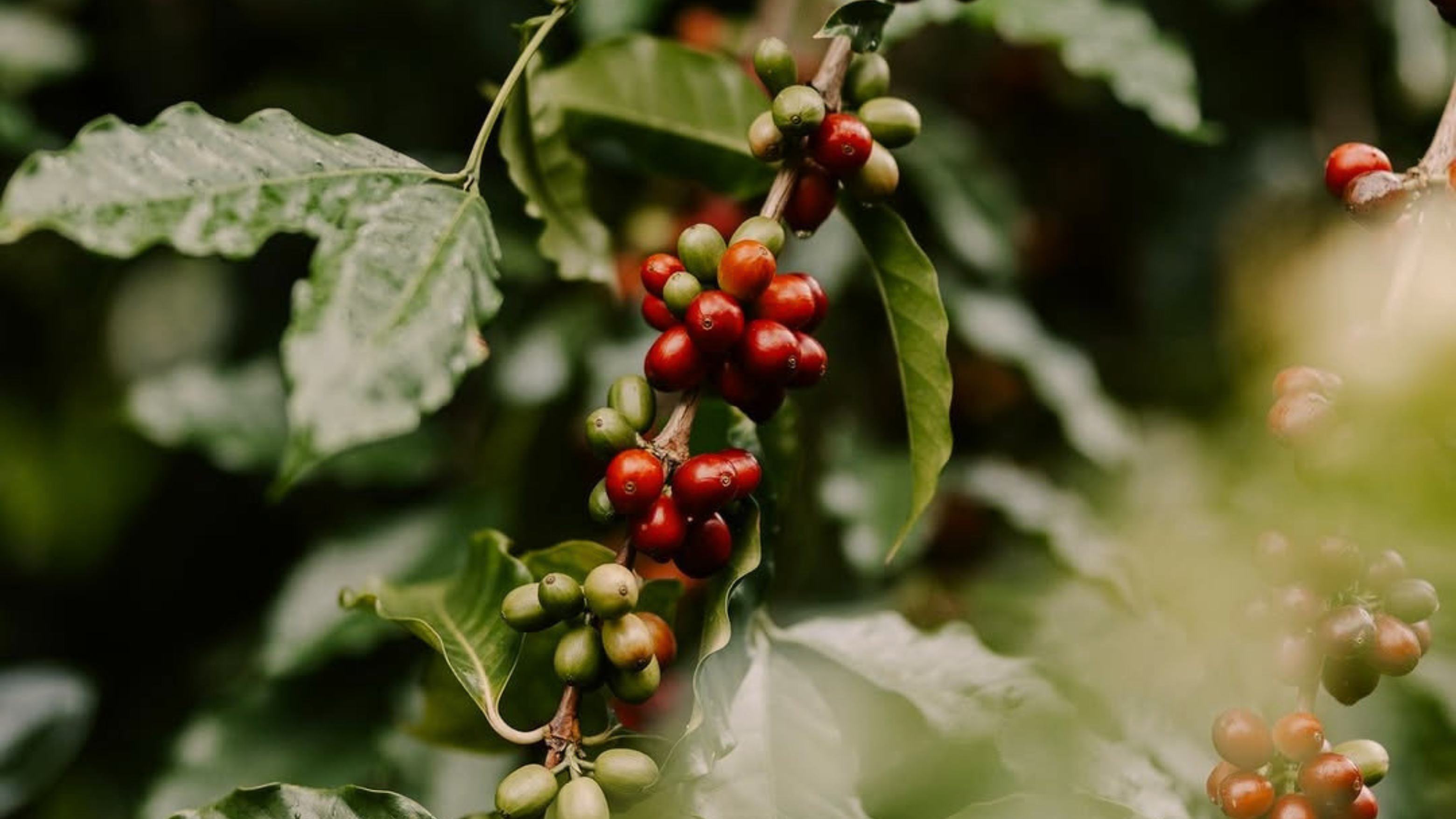
HOW KONA'S CLIMATE SHAPES COFFEE
The growing environment can influence the way coffee cherries develop and, together with farming and processing, contribute to the character and taste of the finished coffee; these conditions help produce a complex flavor and are often associated with a smooth cup, a smooth body, and low acidity. Conditions can vary from one farm to another, giving each growing location its own combination of climate and elevation.
KONA'S NATURAL GROWING CONDITIONS AT A GLANCE
|
Natural factor |
Why it matters |
|
Volcanic slopes |
Shape the terrain and drainage |
|
Volcanic soil |
Provides the foundation for coffee cultivation |
|
Elevation |
Influences temperature and growing conditions |
|
Morning sunshine |
Supports coffee plant growth |
|
Afternoon clouds and rain |
Contribute to the region's growing environment |
Small Kona Coffee Farms and the People Who Tend Them

The Kona Coffee Belt is home to many small farms, where Kona coffee farmers maintain a close relationship with their coffee trees and the land. Instead of managing vast fields, many Kona farmers work with relatively small plots, giving them the opportunity to observe their coffee trees throughout the growing season.
That close attention is part of coffee cultivation in Kona. Farmers watch for changes in the trees, monitor the developing cherries, and adjust their work to the conditions of each season. Knowing when to prune, care for, and eventually harvest the trees comes from experience built over time, and growers hand-pick the ripest fruit multiple times each season, selecting only the ripest fruit because cherries mature at different rates.
Coffee trees grow alongside homes, other crops, and the natural landscape, creating a farming community rather than a single large agricultural operation.
The people who tend these farms are an important part of Kona's coffee industry and its story. Their knowledge connects the land to the coffee, carrying farming practices and an understanding of Kona's growing conditions from one season to the next.
Coffee has been cultivated in Kona for generations. Coffee was first planted in Hawaii in 1828, and that history later included Henry Nicholas Greenwell, the first major exporter of Kona coffee, whose work helped the region gain international recognition at the 1873 World Expo in Vienna. By 1914, nearly 4,000 acres of coffee were cultivated in Kona, and immigrant families helped sustain that tradition as the farming community grew. Why the Kona Coffee Belt Matters to Authentic Kona Coffee
The connection between Kona coffee and the Coffee Belt goes beyond geography. The name “Kona” identifies coffee grown within a specific region of Hawaiʻi Island, giving the coffee a clear sense of origin.
This is important because Hawaiʻi has several coffee-growing areas. Coffee grown on another island or in another part of Hawaiʻi can still be Hawaiian coffee, but it is not Kona coffee. The Kona name is connected to the particular growing region on the western side of Hawaiʻi Island.
A bag of genuine Kona coffee represents coffee beans grown within this particular landscape, rather than simply Hawaiian coffee from another region.
PLACE OF ORIGIN AND AUTHENTICITY
The Coffee Belt helps connect the name on a coffee label to a real place. It gives consumers a clearer understanding of where their coffee was grown and why geographic origin matters when distinguishing Kona coffee from other Hawaiian coffees.
Why the Kona Coffee Belt Is Part of Kona's Story
The Kona Coffee Belt is more than a place where coffee happens to grow. It is a landscape where volcanic land, climate, farming, and community have become closely connected over generations.
From the coffee trees growing along the slopes to the farmers who care for them season after season, the region gives Kona coffee a sense of identity that begins long before the coffee beans are roasted or move on to roasting. The land influences the way coffee is cultivated, while the people working that land bring their own knowledge and care to the process.
For coffee lovers, learning about the Coffee Belt offers another way to appreciate what is in the cup. A great cup reflects that connection to place and can stand apart from the rest. Kona coffee carries the story of a particular place, including its mountains, weather, soil, farms, and people.
That connection is what makes the Kona Coffee Belt important. It is not simply where Kona coffee is grown; it is part of what makes Kona coffee what it is.
Frequently Asked Questions About the Kona Coffee Belt
Where Is the Kona Coffee Belt?
The Kona Coffee Belt is located along the western slopes of Hawaiʻi Island in the Kona district. It lies near Kailua-Kona and stretches through the Kona district on the western side of the island. The region extends across volcanic terrain where coffee farms grow at different elevations and within varying local conditions.
Why Is the Kona Coffee Belt Important?
The Kona Coffee Belt is important because it provides the specific geographic environment associated with Kona coffee. Its volcanic slopes, soil, climate, elevation, and farming communities all contribute to the identity of coffee grown in the region.
What Makes the Kona Coffee Belt Good for Growing Coffee?
The region's combination of volcanic soil, sunny mornings, afternoon cloud cover, rainfall, mild temperatures, and varied elevations creates favorable conditions for coffee cultivation. Farmers work within these natural conditions to care for their coffee trees and develop healthy cherries.
Is All Hawaiian Coffee From the Kona Coffee Belt?
No. Hawaiʻi has coffee-growing regions beyond Kona, so Hawaiian coffee does not necessarily mean Kona coffee. Kona coffee specifically refers to coffee associated with the designated Kona growing region on Hawaiʻi Island.
Conclusion: Why Place Matters
The Kona Coffee Belt shows how deeply coffee can be connected to the place where it grows. Its volcanic slopes, rich soil, changing elevations, and distinctive climate create the setting in which Kona coffee has been cultivated for generations.
But the land is only part of the story. The farmers who care for the coffee trees bring knowledge, patience, and attention to each season, turning the natural conditions of the Kona Coffee Belt into coffee that carries a clear sense of place.
To understand Kona coffee is to understand its connection to this particular landscape. From the slopes of Hawaiʻi Island to the small farms across the region, the Kona Coffee Belt remains an important part of the coffee's identity, Hawaii's agricultural heritage, and the wider world reputation of Kona coffee; for many coffee lovers, a trip through the region makes that sense of place tangible.


